
If the Combine is unable to retrieve Active Directory data automatically via LDAP(s), or if you need to refresh the data manually, you can upload an Active Directory report directly into the platform.
This process applies to both AD Devices and AD Users.
Step 1: Generate the CSV File from Active Directory
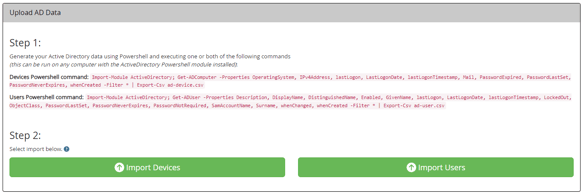
Run the appropriate PowerShell command on your Primary Domain Controller to generate the CSV file that will be uploaded to the Combine.
For AD Devices
Import-Module ActiveDirectory
Get-ADComputer -Properties OperatingSystem, IPv4Address, lastLogon, LastLogonDate, lastLogonTimestamp, Mail, PasswordExpired, PasswordLastSet, PasswordNeverExpires, whenCreated `
  -Filter * | Export-Csv ad-device.csv -NoTypeInformation
For AD Users
Import-Module ActiveDirectory
Get-ADUser -Properties Description, DisplayName, DistinguishedName, Enabled, GivenName, lastLogon, LastLogonDate, lastLogonTimestamp, LockedOut, ObjectClass, PasswordLastSet, PasswordNeverExpires, PasswordNotRequired, SamAccountName, Surname, whenChanged, whenCreated `
  -Filter * | Export-Csv ad-user.csv -NoTypeInformation
These commands will generate a .csv file containing the necessary Active Directory data for import.
Step 2: Upload the Report into the Combine
-
Log in to the Combine.
-
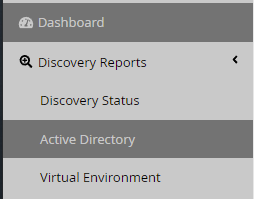
Navigate to the Active Directory section.
-
Select the appropriate option to upload either:
-
AD Users report
-
AD Devices report
-
If data has already been captured and you want to manually upload new data, you can do so by clicking the button below for both Users and Devices.
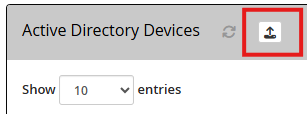
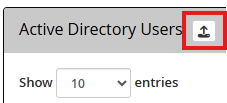
4. Click Import and select the CSV file generated in Step 1.
Once uploaded, the system will process the file and update the corresponding AD data.
Important Notes
-
Uploading a new AD report will overwrite any previously imported manual AD data.
-
If automated inventory collection is later enabled or re-run, it may replace manually uploaded data.
-
Ensure the CSV file structure and headers remain unchanged to avoid processing errors.